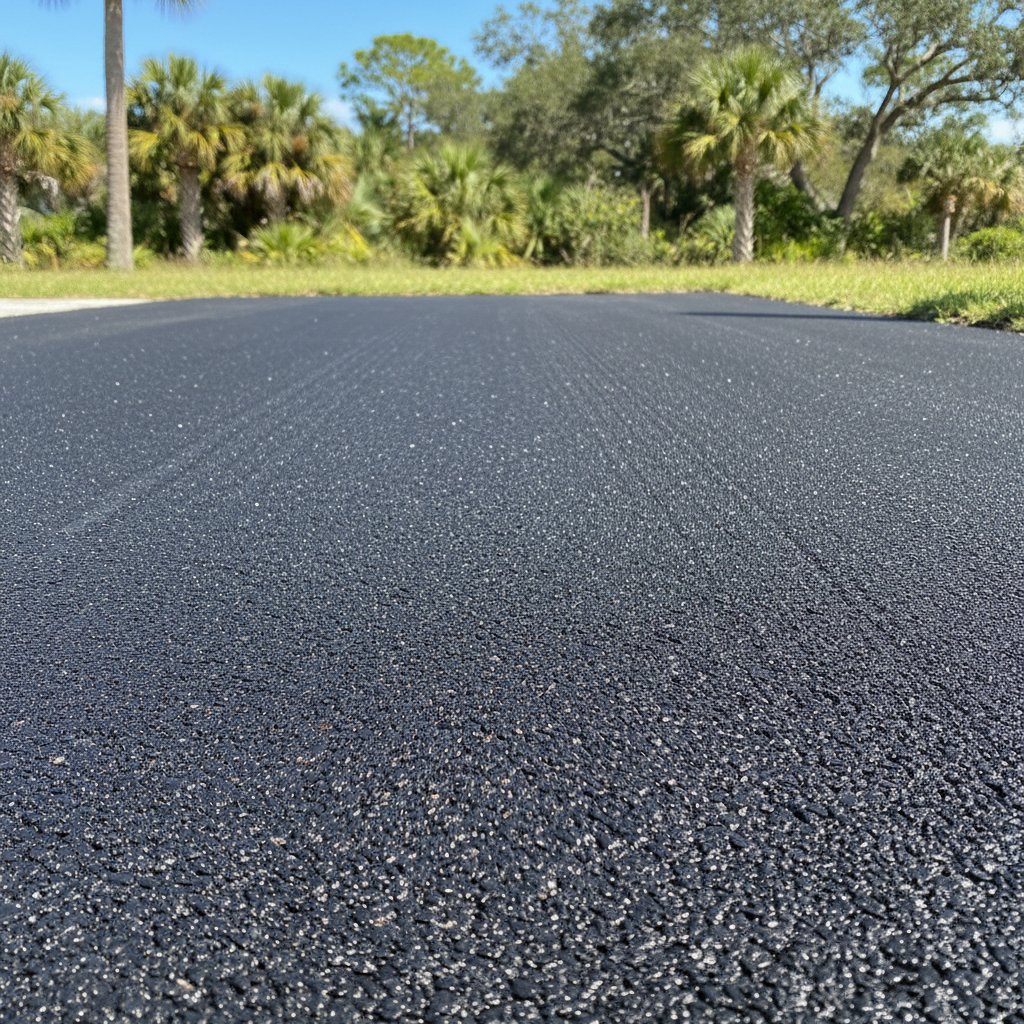
Alright, let's talk about paving a parking area at your house. Maybe you've got a big property, or you're just tired of guests parking on the grass. Whatever the reason, putting in a proper paved parking spot or small lot is a project, and you need to go into it with your eyes open. It's not quite the same as just patching a driveway, and there are definitely things you can do yourself, and things you absolutely shouldn't.
Before You Start: Planning & Permits
First things first: planning. Don't just start digging, okay? You've got to figure out a few things. How big does this parking area need to be? Where exactly is it going? What's the drainage like in that spot? Here in Daytona Beach, especially in some of the older neighborhoods like those west of Nova Road, you might run into some sandy soil that drains pretty well. Even so, you still need to consider how water will flow off your new paved surface. You certainly don't want it pooling up against your house or running off into a neighbor's yard.
Permits. Yeah, I know, nobody loves dealing with the city. But for a significant paving project, you're likely going to need one. Don't skip this step. The last thing you want is to pour a beautiful new parking area only to be told you have to rip it out because you didn't follow the rules. Check with the City of Daytona Beach's building department. They'll tell you about setbacks, impervious surface limits, and any other local ordinances you need to know about. This isn't a DIY step; you just gotta make the call or visit their office.
Think about utilities too. Are there any underground lines – water, sewer, gas, electrical, cable – where you plan to pave? Call 811 before you dig, every single time. It's free, it's the law, and it could save your life or a whole lot of money.
During the Project: Groundwork & Paving
This is where the rubber meets the road, literally. The foundation for your parking area is everything. If you cut corners here, you'll regret it. A paved surface, whether it's asphalt or concrete, is only as good as what's underneath it.
- Excavation: You'll need to dig out the area to the proper depth. This usually means removing topsoil and any organic material. For a small parking pad, you might be able to rent a mini-excavator or even do some serious shovel work if you're feeling ambitious and the area isn't too big. But for anything more than a single car space, you're probably looking at professional equipment.
- Sub-base: This is crucial. You'll need a good, compacted layer of aggregate – usually crushed concrete or limerock. This material gives stability, spreads the load, and helps with drainage. You'll spread it, then compact it thoroughly with a plate compactor or a roller. You can rent these, but operating them effectively takes a bit of practice. Getting the right slope for drainage is critical here, by the way.
- Grading: The sub-base needs to be perfectly graded to ensure water runs off correctly. This isn't just about making it flat; it's about creating a slight pitch. This is where a lot of DIYers get into trouble. If you don't have experience with grading, it's tough to get it right.
- Paving Material: For a parking area, asphalt is a popular choice because it's durable and generally more flexible than concrete, which can be good with our soil conditions here. Laying asphalt is definitely not a DIY job. You need specialized equipment – pavers, rollers, and trucks to deliver hot asphalt at the right temperature. This is where you call in a pro like Allied Asphalt Contractor. We've got the crew and the gear to lay it right, making sure you get proper compaction and a smooth, long-lasting surface.
If you're thinking concrete, the same principles apply to the sub-base. Pouring concrete for a large area also requires experience to get the mix right, pour it evenly, and finish it properly to avoid cracks and uneven surfaces. Again, not a typical DIY project for a parking lot.
After the Project: Curing & Maintenance
Once your new parking area is paved, you're not quite done. There's a curing period. For asphalt, you generally want to stay off it for at least 2-3 days, sometimes longer if it's really hot out. Give it time to harden up. Driving on it too soon can cause ruts and damage.
Maintenance is key to making your investment last. Here's what you need to do:
- Keep it Clean: Sweep off dirt, leaves, and debris regularly. Don't let oil or gas spills sit; clean them up quickly. They can degrade the asphalt over time.
- Address Cracks Promptly: Small cracks can turn into big potholes if left alone. For minor cracks, you can buy asphalt crack filler at a hardware store and apply it yourself. Follow the directions carefully. This is a good DIY task.
- Sealcoating: This is like sunscreen for your asphalt. It protects it from UV rays, water, and chemicals, extending its life. For a small parking pad, you might consider DIY sealcoating, but for a larger area, or if you want a professional, even finish, it's worth hiring someone. We do a lot of sealcoating here at Allied Asphalt Contractor, and we've seen plenty of DIY jobs that didn't quite hit the mark.
- Drainage Checks: After heavy rains, check that water is still draining properly. If you see standing water, it might indicate a problem that needs to be addressed before it causes bigger issues.
Look, putting in a new paved parking area is a big job. You can definitely handle some of the prep work yourself if you're handy and have the right tools. Things like excavation (for smaller areas), sub-base spreading, and basic crack filling are within reach for a determined homeowner. But when it comes to the actual paving – laying down hot asphalt or pouring and finishing concrete – that's a job for the pros. We've got the specialized equipment and the experience to get it done right the first time. Don't hesitate to give us a call if you're planning a project like this; we're happy to talk you through it.