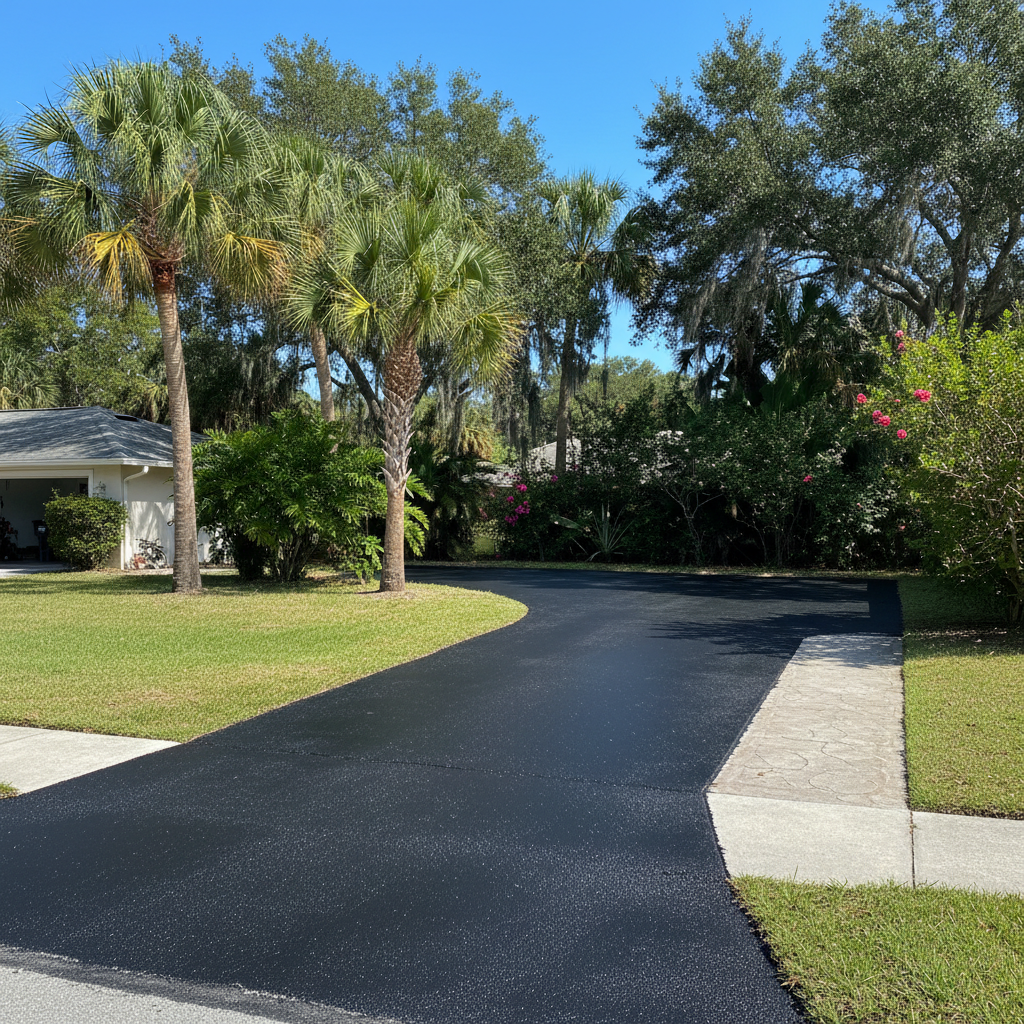
Alright, let's talk sealcoating. It's one of those maintenance jobs that can really extend the life of your asphalt driveway or parking lot, keeping it looking sharp and protecting it from our brutal Florida sun and rain. But man, I've seen folks mess this up in ways that end up costing them more time, money, and headaches than if they'd just done it right the first time. As a local guy running Allied Asphalt Contractor, I want to share some of the biggest mistakes I see homeowners make around here.
Mistake #1: Waiting Too Long (or Not Long Enough)
This is a classic. Some people wait until their asphalt looks like a cracked-out jigsaw puzzle before they even consider sealcoating. By then, it's too late for just a sealcoat; you're looking at repairs or even a full replacement, which is a whole different ballgame. Sealcoating is preventative maintenance, not a miracle cure for a crumbling driveway.
On the flip side, some folks get a brand-new asphalt driveway and want to sealcoat it immediately. Don't do it! New asphalt needs time to cure, usually 6 to 12 months, sometimes even longer depending on the mix and weather. If you sealcoat too soon, you're trapping in oils that need to evaporate, which can lead to a weak, flaky surface. You'll just be peeling that sealcoat right off.
Mistake #2: DIY Disaster with Cheap Materials
I get it, you're handy, you watch a few YouTube videos, and you think, "I can do this myself!" And for some minor stuff, maybe you can. But sealcoating isn't just slapping some black goo down. The quality of the material makes a huge difference. Those big box store sealants? They're often watered down, have poor aggregate content, and won't stand up to our intense UV rays or the heavy downpours we get during hurricane season here in Daytona. You'll end up with a faded, peeling mess in a year or two, and then you'll have to pay someone like me to clean it up and do it right.
A professional uses commercial-grade, coal-tar or asphalt emulsion sealers that are designed to last. They're thicker, more durable, and contain additives for better adhesion and flexibility. It's like comparing a cheap paint to a premium one – you see the difference in how it applies and how long it lasts.
Mistake #3: Not Prepping the Surface Properly
This might be the biggest mistake, whether you're doing it yourself or hiring someone. A sealcoat is only as good as the surface it's applied to. If you don't clean the driveway thoroughly, the sealer won't stick. We're talking about more than just sweeping. You need to get rid of all dirt, debris, oil stains, moss, and loose aggregate. Pressure washing is usually a must, and any oil spots need to be primed or treated so they don't bleed through the new sealcoat.
And what about cracks? If you sealcoat over cracks, you're just putting a band-aid on a gaping wound. Those cracks will reappear, sometimes even worse, because the sealcoat can't bridge them effectively. Alligator cracking, especially common in older driveways around areas like Holly Hill due to soil expansion and contraction, needs proper repair before any sealcoating happens. Fill those cracks with hot rubberized crack filler first, then sealcoat. It's an extra step, but it's non-negotiable for a lasting job.
Mistake #4: Hiring the Cheapest Bid Without Asking Questions
Look, everyone wants a good deal. But when it comes to asphalt work, the cheapest bid is often the most expensive in the long run. I've seen fly-by-night operations come through, especially after a storm, offering ridiculously low prices. They'll use cheap materials, skip prep work, or just do a shoddy job and disappear. You're left with a mess, no warranty, and no way to contact them.
When you're getting bids, don't just look at the number. Ask questions:
- What type of sealer do they use?
- How many coats will they apply?
- What's their prep process?
- Do they carry insurance? (Huge one!)
- Can they provide local references?
- What's their warranty?
A reputable contractor, like us at Allied Asphalt Contractor, will be happy to answer all these questions and give you a detailed proposal. We're invested in our reputation here in Daytona Beach, so we're not going to cut corners.
Mistake #5: Ignoring the Weather Forecast
This one seems obvious, but you'd be surprised. Sealcoat needs specific conditions to cure properly. It shouldn't be too hot, too cold, or too humid. And rain? Forget about it. If it rains within 24-48 hours of application, especially before it's fully cured, it can wash away, streak, or weaken the sealcoat. Always check the forecast. A good contractor will reschedule if the weather isn't cooperating; a bad one will try to push through, leaving you with a compromised job.
Doing your homework and avoiding these common mistakes will save you a ton of hassle and ensure your asphalt surface stays protected and looks great for years to come. Don't learn these lessons the hard way.