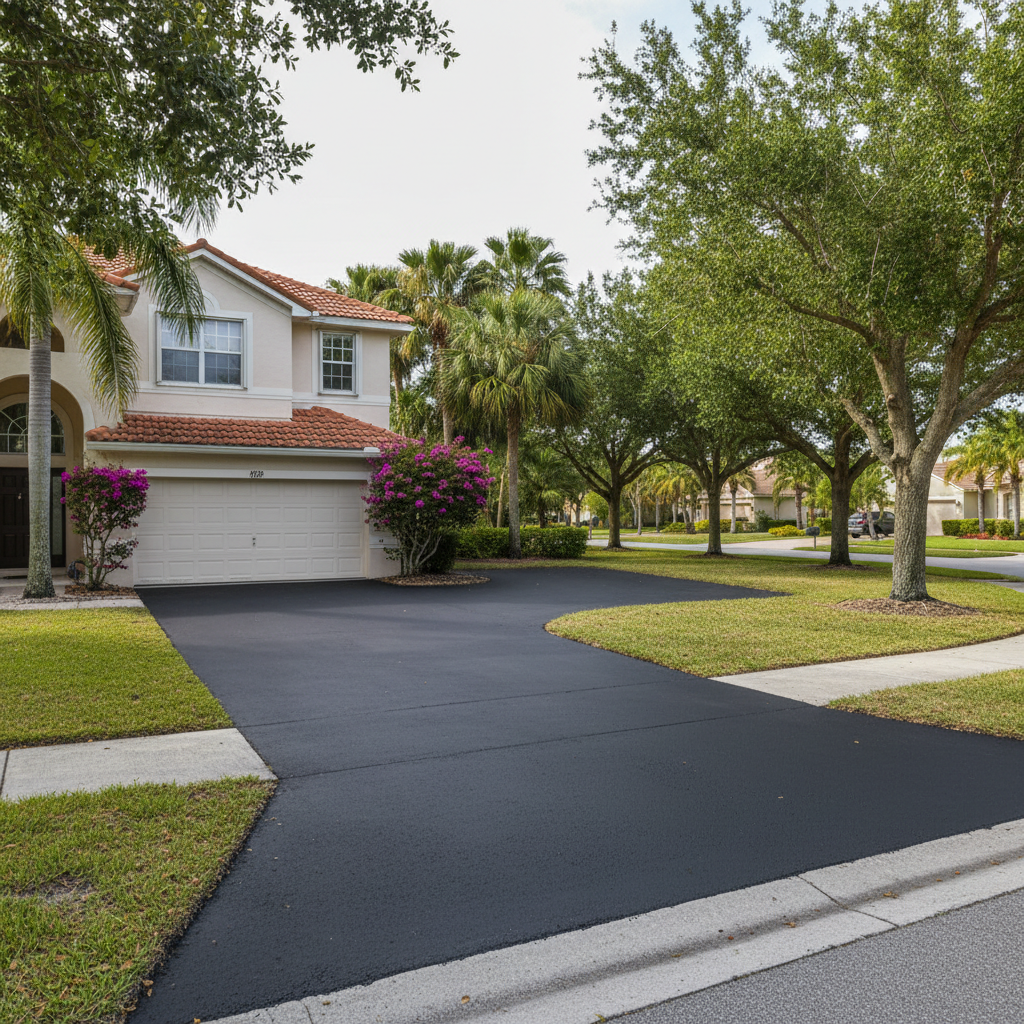
Alright, let's talk slurry coating for your home's asphalt. It's a great way to extend your driveway's life, give it a fresh look, and protect it from the elements. But here in Daytona Beach, with our unique weather, timing is everything. You can't just slap it down whenever you feel like it and expect it to last, can you?
When's the Best Time to Slurry Coat Your Driveway?
This is probably the most common question I get. For slurry coating, you're really looking for a sweet spot. It's not like sealcoating, which is a thinner application. Slurry is thicker, more like a thin layer of asphalt, and it needs specific conditions to cure properly.
- Spring (Late March to May): This is often ideal. The days are getting consistently warm, but you're usually past the worst of the cold snaps. The ground temperature is up, and we haven't hit the full-on rainy season yet. You'll get good, long drying times without extreme heat.
- Fall (Late September to November): Another excellent window. The summer heat and daily thunderstorms are starting to back off. The days are still warm enough for proper curing, and the nights aren't too cold. This gives the material plenty of time to set before any cooler winter weather rolls in.
- Avoid Summer: I generally tell folks to stay away from peak summer (June, July, August). Why? Two big reasons: the intense heat and the daily afternoon thunderstorms. The heat can cause the slurry to cure too fast on the surface, trapping moisture underneath. Then, those sudden downpours can wash away uncured material or leave unsightly marks. It's just too risky for a quality job.
- Avoid Winter: Our winters here are mild, but it can still get too cool for proper application, especially at night. You want consistent temperatures above 50°F, both day and night, for several days after application. Colder temps slow down the curing process and can compromise the material's integrity.
Weather Conditions That Really Matter
Beyond just the season, specific weather conditions on the day of and days following application are critical. This isn't just about comfort for the crew; it's about making sure your investment lasts.
- Temperature: I already mentioned it, but it bears repeating: consistent temperatures, day and night, above 50°F. Ideally, we're looking for daytime temps in the 70s or 80s. Too hot, and it dries too fast. Too cold, and it doesn't cure right.
- Humidity: High humidity, which we get a lot of here, can slow down the drying process significantly. It's not a deal-breaker if temperatures are good, but it means we need to factor in longer drying times.
- Rain: This is a big one. You absolutely cannot apply slurry coating if rain is expected within 24-48 hours. If it rains on fresh slurry, it's a mess. It can wash away, leave streaks, or cause the material to fail prematurely. We're constantly checking the radar and local forecasts, especially for those pop-up showers that are common around here.
- Sunlight: Direct sunlight helps with curing. A clear, sunny day is perfect. Overcast days aren't necessarily bad, but they will extend drying times.
- Wind: A gentle breeze is actually helpful; it aids in evaporation and drying. Strong winds, however, can carry debris onto the wet surface or dry it too quickly and unevenly.
We always make the final call on the day of the job. If the forecast shifts or conditions aren't right, we'll reschedule. It's better to wait a day or two than to do a bad job that won't last.
Protecting Your Slurry Coating Investment Year-Round
Once that slurry coating is down and cured, you've done a great job protecting your asphalt. Now, how do you keep it looking good and performing its best?
- Respect the Cure Time: This is huge. We'll tell you exactly how long to stay off it, usually 24-48 hours for foot traffic and 48-72 hours for vehicles. Don't push it. Driving on it too soon can leave tire marks, scuff the surface, or even pull up the material.
- Mind Your Parking: For the first week or two, try not to turn your steering wheel sharply while your vehicle is stationary on the new surface. This is called 'power steering scuffing,' and it can leave marks. Also, avoid parking heavy vehicles in the exact same spot day after day for extended periods, especially in the heat.
- Keep it Clean: Sweep off loose dirt, leaves, and debris regularly. This prevents organic matter from breaking down on the surface and keeps your driveway looking tidy.
- Address Spills Quickly: Oil, gas, and other automotive fluids can break down asphalt and slurry coating. If you have a spill, clean it up as soon as possible with an absorbent material and a mild detergent. Don't let it sit.
- Watch for Cracks: Even with slurry coating, new cracks can form over time due to ground movement, especially in areas like Ormond-by-the-Sea where soil can shift. If you see small cracks developing, get them filled promptly. Allied Asphalt Contractor can handle those minor repairs before they become major headaches.
- Reapply as Needed: Slurry coating isn't a one-and-done forever solution. Depending on traffic, sun exposure, and how well you maintain it, you'll likely need to reapply every 5-7 years. Keep an eye on its appearance – if it's starting to look faded, dull, or you see aggregate showing through, it's probably time for another coat.
Taking care of your driveway isn't just about aesthetics; it's about protecting your property's value and avoiding more expensive repairs down the line. A little seasonal planning and year-round vigilance go a long way.