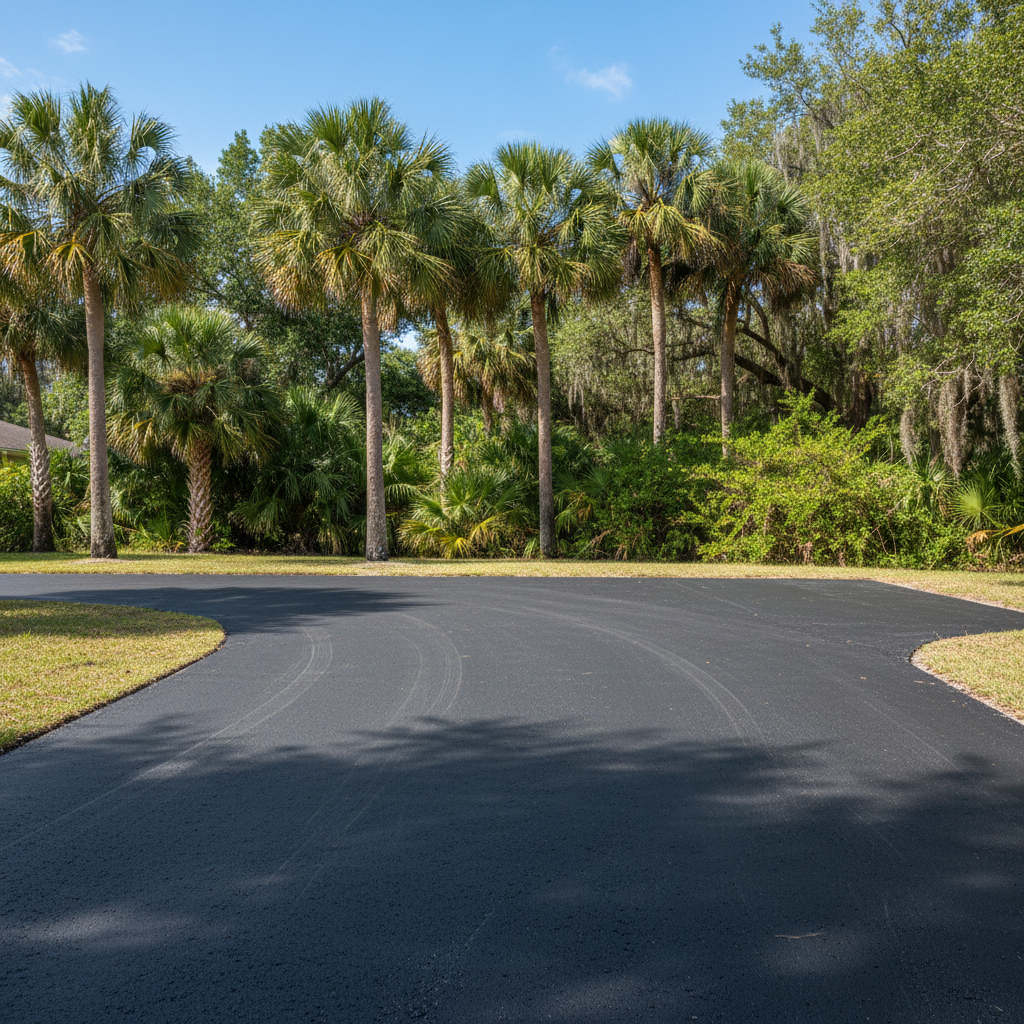
Alright, so you’ve just had your asphalt fixed up. Maybe it was a pothole, some cracks, or a whole section that needed patching. Good for you for taking care of it! But here’s the thing many folks miss: that repair isn't a 'set it and forget it' deal, especially here in Daytona Beach.
You want that repair to last, right? Of course you do. You want to get your money's worth and avoid calling me back sooner than you need to. It's not rocket science, but it does take a little attention. Think of it like changing the oil in your car – small effort, big payoff.
Make Your Asphalt Repair Last Longer
First off, after any repair, you've got to give it time to cure. Your contractor should tell you specifically, but generally, stay off it for at least 24-48 hours. That fresh asphalt needs to harden up. Drive on it too soon, and you're just asking for trouble, pushing the material around before it's settled. After that initial cure, there are a few things you can do.
- Sealcoating: This is your best friend. A good sealcoat every 2-3 years acts like sunscreen and a protective barrier for your asphalt. It shields it from UV rays, water penetration, and even chemicals like oil and gas. For us in Florida, with that intense sun beating down almost year-round, sealcoating is even more critical. It slows down the oxidation process that makes asphalt brittle and gray.
- Good Drainage: Water is asphalt's worst enemy. Make sure water isn't pooling on or near your repaired areas. If you've got standing water after a rainstorm, that's a problem. It'll seep into cracks, get under the asphalt, and undermine the base, leading to more damage. Sometimes, a simple fix like clearing a clogged gutter or re-grading a small area can make a huge difference.
- Watch the Weight: Heavy vehicles can stress even well-repaired asphalt. If you've got a commercial property, try to direct heavy truck traffic away from more vulnerable areas if possible. For residential driveways, avoid parking heavy RVs or boats on the same spot for months on end.
Regular Upkeep: What You Should Be Doing
Beyond sealcoating, there are a few simple things you can do to keep an eye on things and prevent small issues from becoming big, expensive ones.
- Keep it Clean: Sweep off dirt, leaves, and debris regularly. Organic matter can hold moisture against the asphalt, and fine grit can act like sandpaper under tires, slowly wearing down the surface.
- Clean Spills Right Away: Oil, gas, and other automotive fluids are corrosive to asphalt. If you see a spill, clean it up right away. A simple absorbent material like cat litter can work wonders if you get to it quickly.
- Trim Overhanging Branches: This might sound odd, but branches can drop sap, leaves, and even small twigs that contribute to surface degradation and moisture retention. Plus, too much shade can keep the asphalt from drying out properly after rain.
Trouble Signs to Look For
You don't need to be an asphalt expert to spot problems. Just know what to look for. Catching these early can save you a lot of headache and money.
- New Cracks: Even small, hairline cracks can let water in. If you see new ones appearing around your repair, or spreading from it, that's a red flag.
- Potholes or Depressions: Obvious, I know, but sometimes they start small. If you notice a spot that's starting to sink or has a small hole, it needs attention.
- Fading or Graying: This is a sign of oxidation. Your asphalt is losing its flexibility and becoming brittle. A sealcoat can often fix this, but ignoring it will lead to cracking.
- Loose Aggregate: If you're seeing small stones or gravel coming loose from the surface, especially in high-traffic areas, the binder is failing.
- Water Pooling: As I mentioned, standing water is a big problem. If you see puddles that don't drain within a few hours after a rain, you've got a drainage issue that needs fixing. Here in Daytona, with our sandy soil and high water table, drainage is always something we're keeping an eye on.
When to Call a Pro (Like Allied Asphalt Contractor)
Look, there's a point where DIY just isn't going to cut it. You're not going to fix a major structural issue with a bucket of cold patch from the hardware store. Here’s when you really need to pick up the phone:
- Alligator Cracking: This looks like a series of interconnected cracks, resembling an alligator's skin. It means the base is failing, and you're usually looking at a larger repair, possibly even milling and repaving that section.
- Large Potholes: If a pothole is deep or wide, a professional repair will be much more durable and safer. We've got the right equipment and hot mix asphalt to do it right.
- Significant Sinking or Heaving: If your asphalt is sinking in large areas or pushing up, it's a sign of serious base or sub-base issues. This needs an expert assessment.
- Lots of Widespread Cracks: If cracks are everywhere, your asphalt might be at the end of its life, and a complete resurfacing or replacement might be more cost-effective than endless patching.
- Drainage Problems: If you can't figure out why water is pooling, or if it's a significant issue, you'll need someone to assess the grade and possibly install new drainage solutions.
Taking care of your asphalt after a repair isn't just about how it looks; it's about protecting your investment. A little proactive maintenance goes a long way in keeping your pavement safe, functional, and looking good for years. Don't wait until a small crack turns into a major headache. If you're in the Daytona area and you're seeing any of those warning signs, or just want some advice, give Allied Asphalt Contractor a call. We're always happy to take a look.