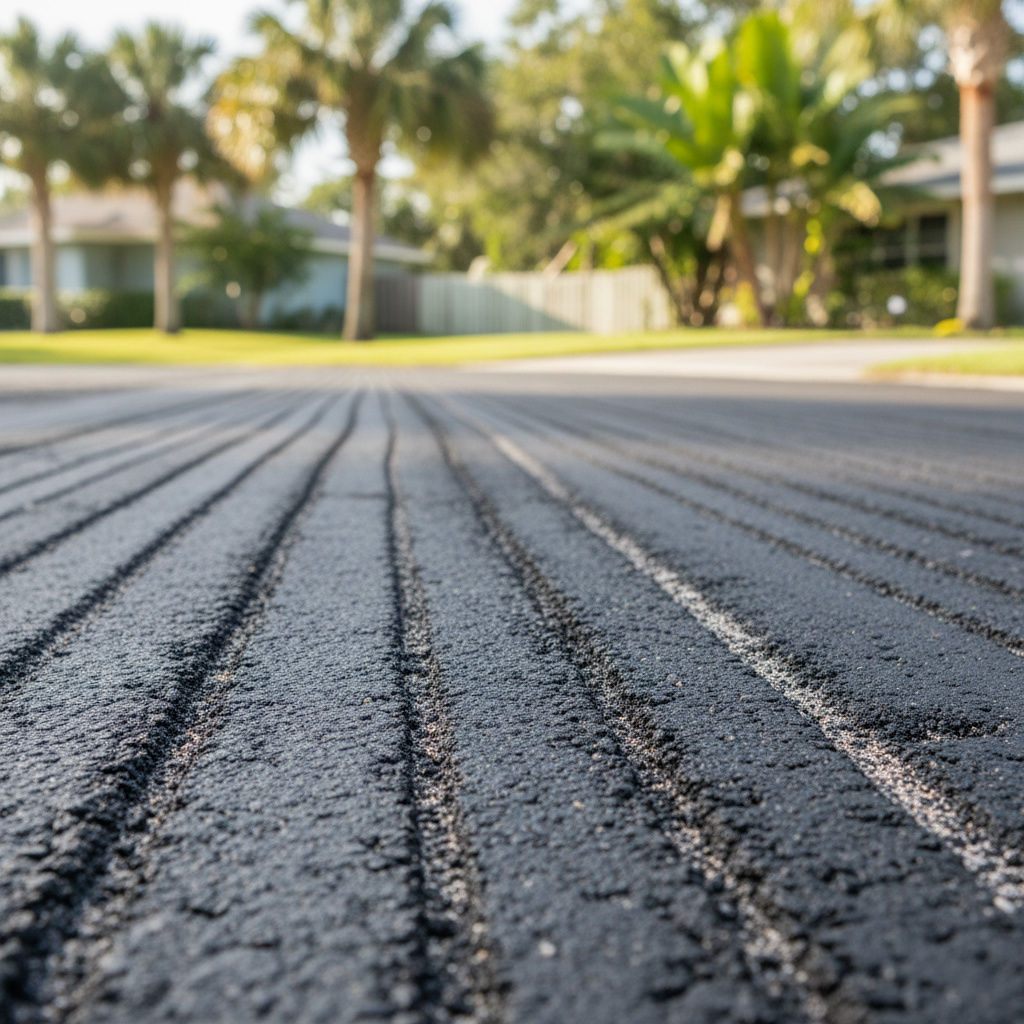
What exactly is asphalt milling?
Alright, let's cut right to it. Asphalt milling, or sometimes folks call it 'cold planing' or 'profiling,' is basically grinding up the top layer of your existing asphalt. Think of it like a giant, super-powerful planer for your driveway or parking lot. We use specialized machinery to shave off a specific depth of the old, worn-out asphalt surface. We don't dig up the whole thing; we just remove the top few inches. This leaves a rough, textured surface that's perfect for a new layer of asphalt to bond to. It's a smart way to fix things without starting completely from scratch.
Why would I choose milling instead of just repaving?
That's a great question, and it's one I get a lot. The main reason you'd go with milling is cost-effectiveness. Tearing out an entire asphalt surface, hauling it away, and then bringing in all new material is a big job, and it costs a lot more money. Milling lets you reuse a good portion of your existing base. It also helps maintain proper drainage and elevation. If you just keep adding new layers of asphalt without milling, your driveway or road can get too high, creating issues with curbs, sidewalks, and even garage entrances. We see this a lot in older neighborhoods around Daytona Beach, where driveways have been patched and paved over for years. Milling keeps things at the right level.
Is milling a good option for every damaged driveway?
Not always, no. Milling is fantastic for surfaces that have a lot of cracking, rutting, or general wear and tear on the top layer, but where the underlying base is still pretty solid. If your asphalt has really deep, structural failures – I'm talking about alligator cracking that goes all the way through, or significant heaving from a bad sub-base – then milling might not be enough. In those cases, you might need a full-depth removal and replacement. I'll always come out and take a look to give you an honest assessment. We don't want to do a job that's just a band-aid.
What happens to the old asphalt that gets milled up?
That's the beauty of it! The material we mill off, called Reclaimed Asphalt Pavement (RAP), isn't just waste. It's actually a valuable resource. We load it up and take it to a processing plant where it gets crushed, screened, and often mixed with new asphalt binder to create new asphalt mixes. It's a really environmentally friendly process because it reduces the need for new virgin materials and keeps tons of old asphalt out of landfills. It's a win-win: you get a great new surface, and we recycle the old one.
How long does the milling process take?
The timeline really depends on the size of the area we're working on. For a typical residential driveway, the milling itself can often be done in a single day, sometimes even just a few hours. Larger parking lots or private roads, especially those that might need some base repair after milling, will naturally take longer. Once the milling is complete, we'll clean the surface thoroughly, and then we're ready for the new asphalt overlay. I'll give you a clear timeline when I provide your estimate, so you know exactly what to expect.
Will my driveway be usable right after milling?
After we've milled the surface, it's generally not ideal for regular vehicle traffic. The milled surface is rough and uneven, and while it's stable, it's not meant to be driven on for an extended period. We want to get that new asphalt layer down as soon as possible. Usually, we'll mill one day and then pave the next, or sometimes even the same day if the scope allows. We'll make sure you know the schedule so you can plan accordingly and avoid driving on the freshly milled surface.
What's the typical lifespan of a milled and repaved surface?
If done right, with a solid base underneath, a properly milled and repaved asphalt surface can last you a good 15 to 20 years, sometimes even longer. It really comes down to the quality of the original base, the new asphalt mix we use, and how well you maintain it. Regular sealcoating every few years is key to protecting that new surface from the Florida sun and rain. Here in Daytona Beach, with our intense UV and occasional heavy downpours, that sealcoat is your best friend for extending the life of your asphalt. Allied Asphalt Contractor always uses top-grade materials to give you the longest-lasting results.